
Just days left to stop them dumping tons of sludge on the short-snouted seahorse!
We interrupt normal services for an important newsflash on the marine environment.

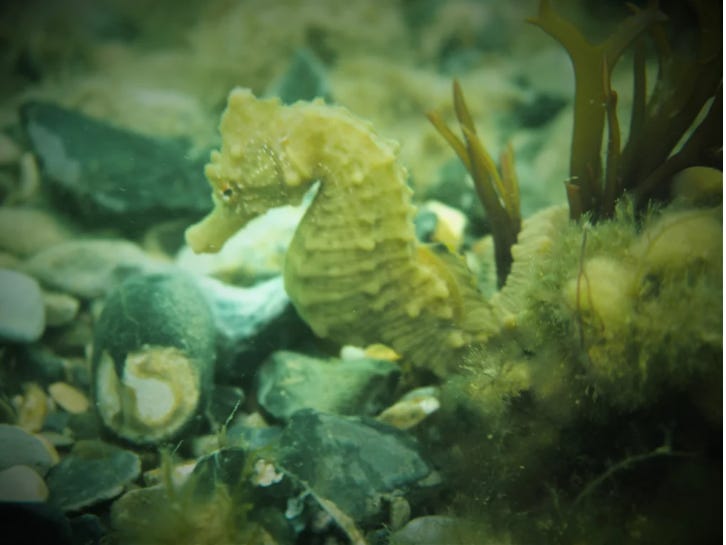
In a battle between luxury yacht owners and the short-snouted seahorse it’s doubtful you’d back the six-inch seaweed dwelling creature to come out on top.
Protected under the Wildlife and Countryside Act 1981 they may be, many of them even living in a marine conservation area, but when tons of thick, black, oil-smelling sludge comes piling in on top of you the chances of survival are slim.
A few years ago they were almost wiped out in these parts.
Now it could happen all over again if we don’t make our voices heard.
Wherever in the world you are reading this you find out how you can help save the seahorse at the bottom of this article.
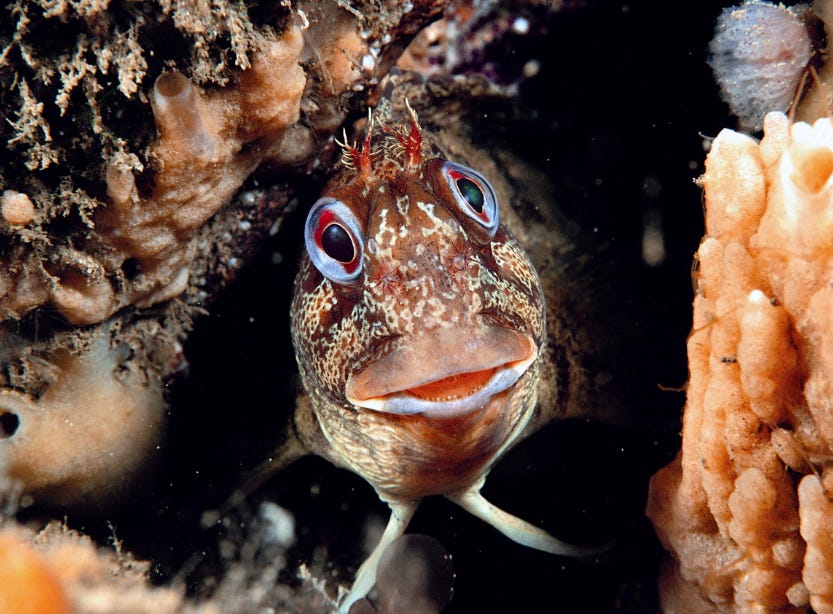
It won’t be the only species, with its child-bearing males, in danger of course. The quirky Tompot Blenny, Bass, Black Seabream, Herring, Brown Crab, Scallop, Blue Mussel, rare chalk reefs and kelp fields, all beginning to thrive, are at risk.
For the owners of Brighton Marina, a strangely tacked-on location out of character with the rest of that eclectic city, have applied to dump tons of dredged sludge into the Beachy Head West Marine Conservation Zone (MCZ).
If they don’t dredge the yachts can’t get in and out. It’s not that campaigners don’t recognise that need.
It’s just that the Marina seems to have no long term plan about where to put it without wrecking years of efforts to revive the sea life off the south coast of England.
Last year the leading campaigner, the Sussex Wildlife Trust (SWT), succeeded in challenging the plan under judicial review.
But of course that wasn’t the end of it. The Marina is back, still, say campaigners, without enough environmental impact evidence to back up their dumping activity or a longer term disposal plan further out to sea.
Campaigners say material from previous dredging filled nearby rock pools with a ‘black, thick, slimy, petrochemical smelling sludge’.
The MCZ was established in 2019 as eco groups, scientists, sustainable fishers and the public along the south coast (with a bit of help from David Attenborough) recognised the ‘out of sight, out of mind’ sea bed was actually becoming a desert.
Years of storms, marine heatwaves and poor water quality (you know what I’m talking about Southern Water) had a negative effect on marine life.
Persistent damage had been caused by intensive and regular trawling of the seabed for commercial fishing.
The 75-square mile MCZ stretches from Beachy Head to Hastings.
It is managed by the Marine Conservation Society (MCA) with support from the statutory body Sussex Inshore Fisheries and Conservation Authority (IFCA).
In simple terms there’s now a greater understanding of what’s out there under the sea and why it’s worth protecting.
And that’s not all. Work by IFCA and marine research from scientists at Brighton universities led to a shocking recognition that kelp beds off the coast had been virtually obliterated (96 per cent gone in the last century) by trawling and climate change.
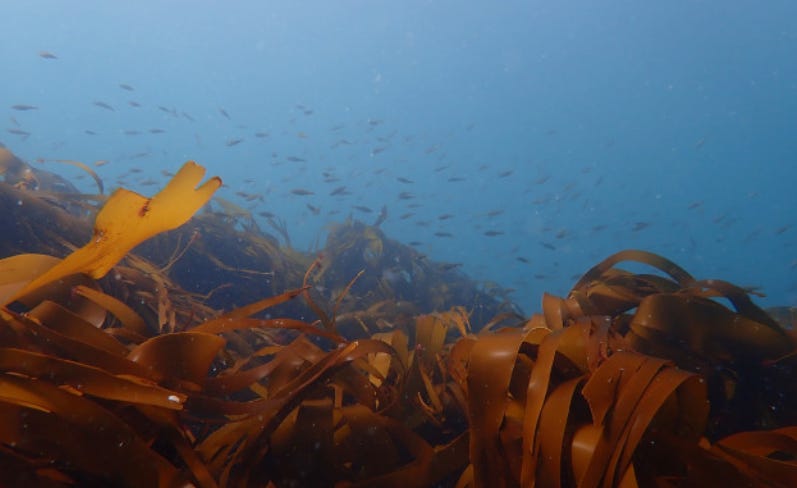
Five years ago, and with the support of most of the inshore fishing industry itself, trawling was prohibited within 100 square miles off the Sussex coast.
Stretching from Chichester in the west to Rye in the east, the byelaw is one of the largest in the UK. The kelp is returning.
The giant seaweed, imagine a gentle waving forest of green in which all manner of fish and marine life thrive, has another purpose.
It eats up carbon emissions. Put simply kelp absorbs sunlight, carbon dioxide, and water to produce sugar and oxygen.
It stores, or sequesters, carbon emissions from the sea bed preventing them from entering the atmosphere.
A bit of a pong when it washes up on the beach is a small price to pay for this oxygenating, pollution-busting marvel at a time when we need all the help we can get.
The Sussex Kelp Recovery Project, co-ordinated by SWT, has continued to monitor, advocate for and celebrate the recovery of the Sussex seabed.
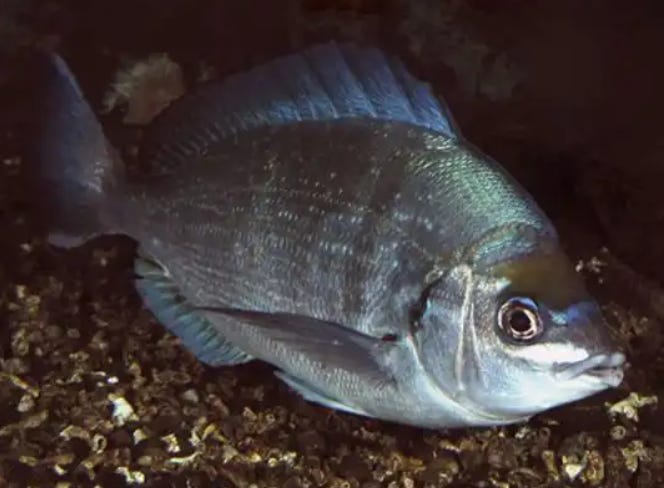
The benefits are underway; Black Sea Bream and Blue Mussels are already on the increase.
The other part of all this is the gradual realisation that a healthy sea and marine environment is good for us as well as the Sea Bream.
We can enjoy the sea, make a living from it, play in it, hell, even feel good about ourselves if we join in efforts to protect it, providing we work with it.
There’s been talk about creating a marine park, leasing the seabed off the Crown Estate, which ‘owns’ territory up to 12 nautical miles out from the coast, to transfer responsibility to coastal communities.
A local authority-led organisation called Sussex Bay is trying to act as an umbrella organisation for groups and the public to move things forward, bring in investment, Blue Capital in the jargon of the day.
In truth, as in most things local government, pace is glacial and most organisations are just getting on with their own projects.
Notwithstanding that there is a clear awakening about the fragile but important eco-system on the edge of our land, the blue mirror to the green hills if you like.
So this is where we come in.
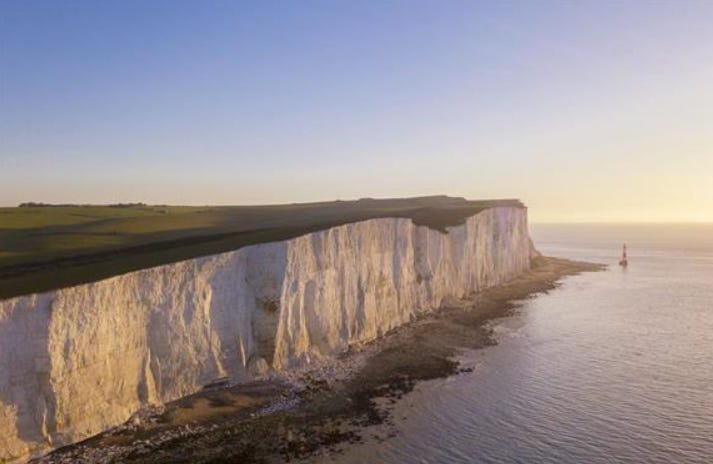
With apologies to garden, landscape and environment readers (ie 90 per cent of you) I interrupted normal service to bring you this newsflash. For time is short.
It doesn’t matter whether you live on the other side of the world, you can make your voice heard about the plans by the Marina to dump tons of sludge in the MCZ.
A short consultation is open in which you can tell the Marine Management Organisation, which will decide whether to licence the dredge, what you think of the plan.
We only have until Good Friday April 3 to object.
The SWT has helped us by telling you how to object, what the key messages are and where to send the reply here.
For short-snouted seahorses everywhere.
Email sent.